Flip a probiotic bottle over and you'll find names like Lactobacillus paracasei or Bifidobacterium lactis BL-04. They look intimidating, but they follow a simple system — and understanding it helps you compare products more sensibly.
Genus, species, strain
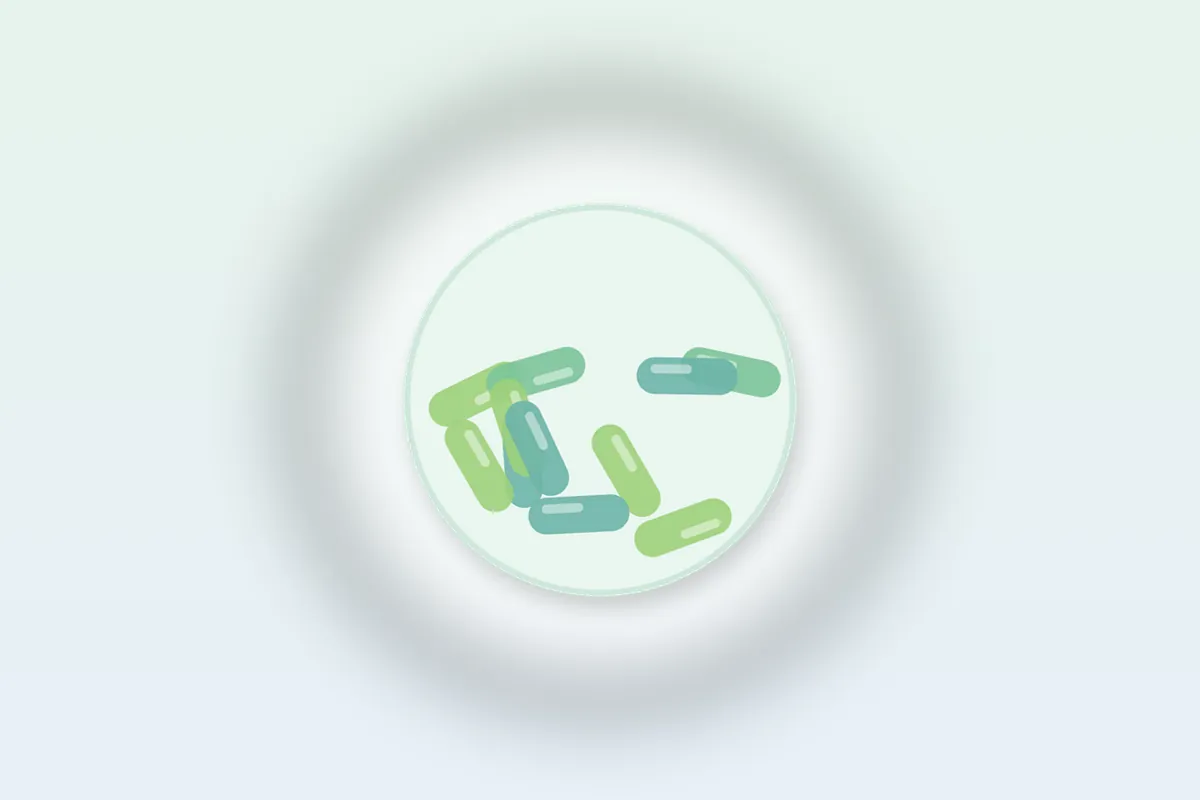
Probiotic names have up to three parts. The genus (Lactobacillus, Bifidobacterium) is the broad family. The species (paracasei, lactis) narrows it down. The strain code (such as BL-04) identifies one specific, characterized line of that species.
That last part matters. The NIH's Office of Dietary Supplements points out that effects found for one strain can't simply be assumed for another strain of the same species. When you see a strain code on a label, it tells you exactly which organism was used.
The five strains in Gut Save
- Lactobacillus paracasei — a lactic-acid bacterium found in fermented dairy and the human gut, and among the more widely researched Lactobacillus species.
- Lactobacillus buchneri — best known from food and silage fermentation.
- Lactobacillus brevis — common in fermented vegetables such as sauerkraut and pickles.
- Lactobacillus hilgardii — a species associated with fermented beverages.
- Bifidobacterium lactis BL-04 — a named, characterized strain of a species that naturally lives in the large intestine.
(Note: scientists reclassified many Lactobacillus species in 2020, so you may see newer names such as Lacticaseibacillus paracasei elsewhere. The organisms are the same.)
What probiotics can and can't do
According to NCCIH, probiotics have been studied for a range of digestive concerns, with mixed results that depend on the strain, the dose and the person. They're generally considered safe for healthy people, but people with weakened immune systems or serious illness should talk to a doctor first.
Quick checklist for any probiotic label
- Are genus and species named?
- Are strain codes listed?
- Are storage directions given?
- Is the product part of a broader, fiber-rich diet?
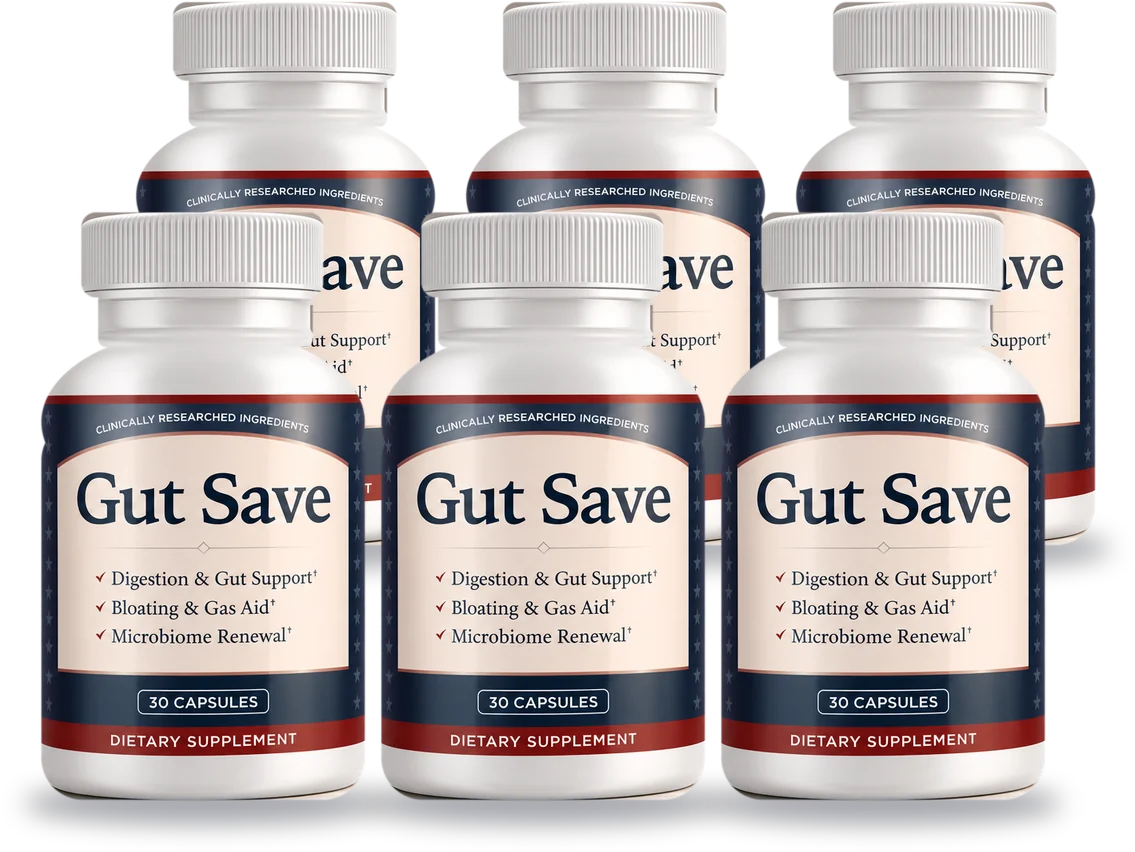
Gut Save names all five of its cultures and pairs them with gut-lining and botanical ingredients. Read the full ingredient breakdown or the microbiome balance focus area.
Explore Gut Save
A once-daily capsule with collagen, colostrum, lion's mane, papaya seed, black cumin and five probiotic strains, backed by the seller's 60-day guarantee.
This article is for general education and isn't a substitute for advice from your healthcare provider. † Statements about Gut Save have not been evaluated by the FDA.