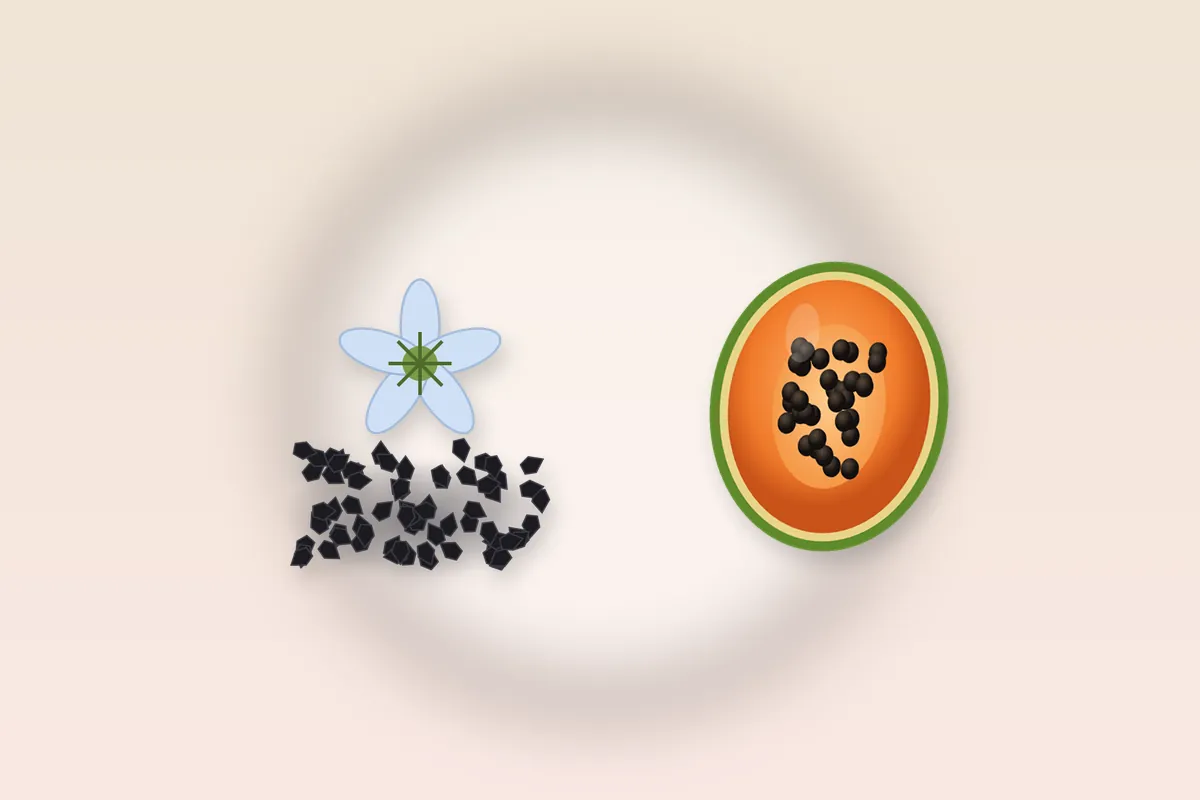
Two of the less familiar ingredients in Gut Save come from very old traditions. Black cumin and papaya seed have both been used for digestion for generations. Here's what they are and what modern science has looked at.
Black cumin (Nigella sativa)
Despite its name, black cumin isn't related to ordinary cumin. The small, black, angular seeds come from a flowering plant with pale blue petals and are used as a spice in bread and curries across the Middle East, North Africa and South Asia.
The seeds contain thymoquinone, the compound most studied by researchers. A review in PubMed Central, Gastrointestinal effects of Nigella sativa and its main constituent, thymoquinone, summarizes laboratory, animal and limited human research on the digestive system. As the review makes clear, most of the evidence is preclinical.
Papaya seed
Most people throw away the peppery black seeds in a papaya, but they've been used in traditional practices in tropical regions for a long time. A review of papaya's nutraceutical potential describes the composition of the seed, including fatty acids and phenolic compounds such as benzyl isothiocyanate.
Research on papaya seed in people is limited, so it's best described as a traditional digestive botanical with interesting chemistry rather than a proven remedy.
Safety notes
- Black cumin may interact with some medications, so check with your doctor if you take prescription drugs.
- Pregnant or nursing people should consult a professional before taking concentrated botanical extracts.
In Gut Save, these botanicals sit alongside collagen, colostrum, lion's mane and five probiotic strains. See the regularity focus area and our scientific references.
Explore Gut Save
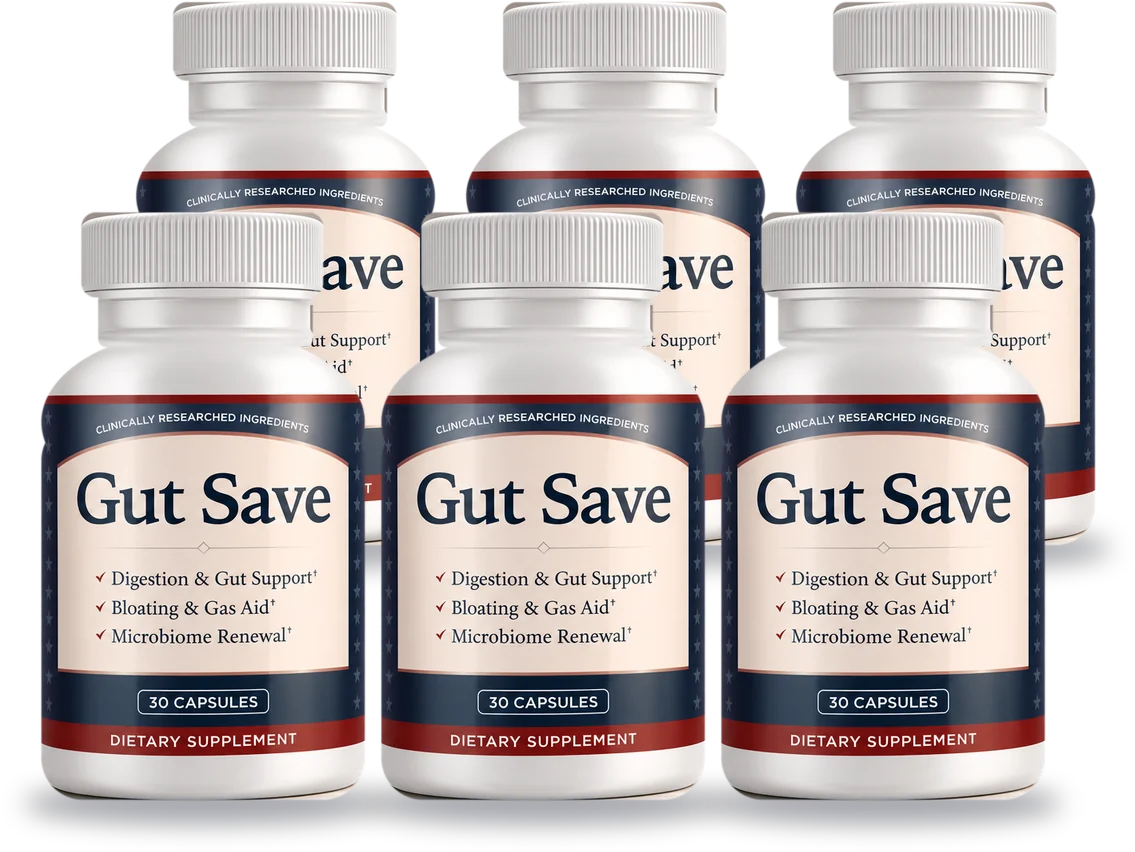
A once-daily capsule with collagen, colostrum, lion's mane, papaya seed, black cumin and five probiotic strains, backed by the seller's 60-day guarantee.
This article is for general education and isn't a substitute for advice from your healthcare provider. † Statements about Gut Save have not been evaluated by the FDA.